
The cultural significance of gambling examining risks and rituals
The Historical Context of Gambling
Gambling has been an integral part of human culture for centuries, tracing its roots back to ancient civilizations. Archaeological findings indicate that games of chance were played in places like China, Rome, and Greece. These early forms of gambling were often intertwined with social rituals and religious ceremonies, illustrating a deep cultural significance. As societies evolved, so too did the nature of gambling, moving from primitive forms to more structured games and betting systems that reflect the values of the time. Today, many people explore various platforms for gaming, including https://reelson-casino.nz/, further demonstrating its evolution.
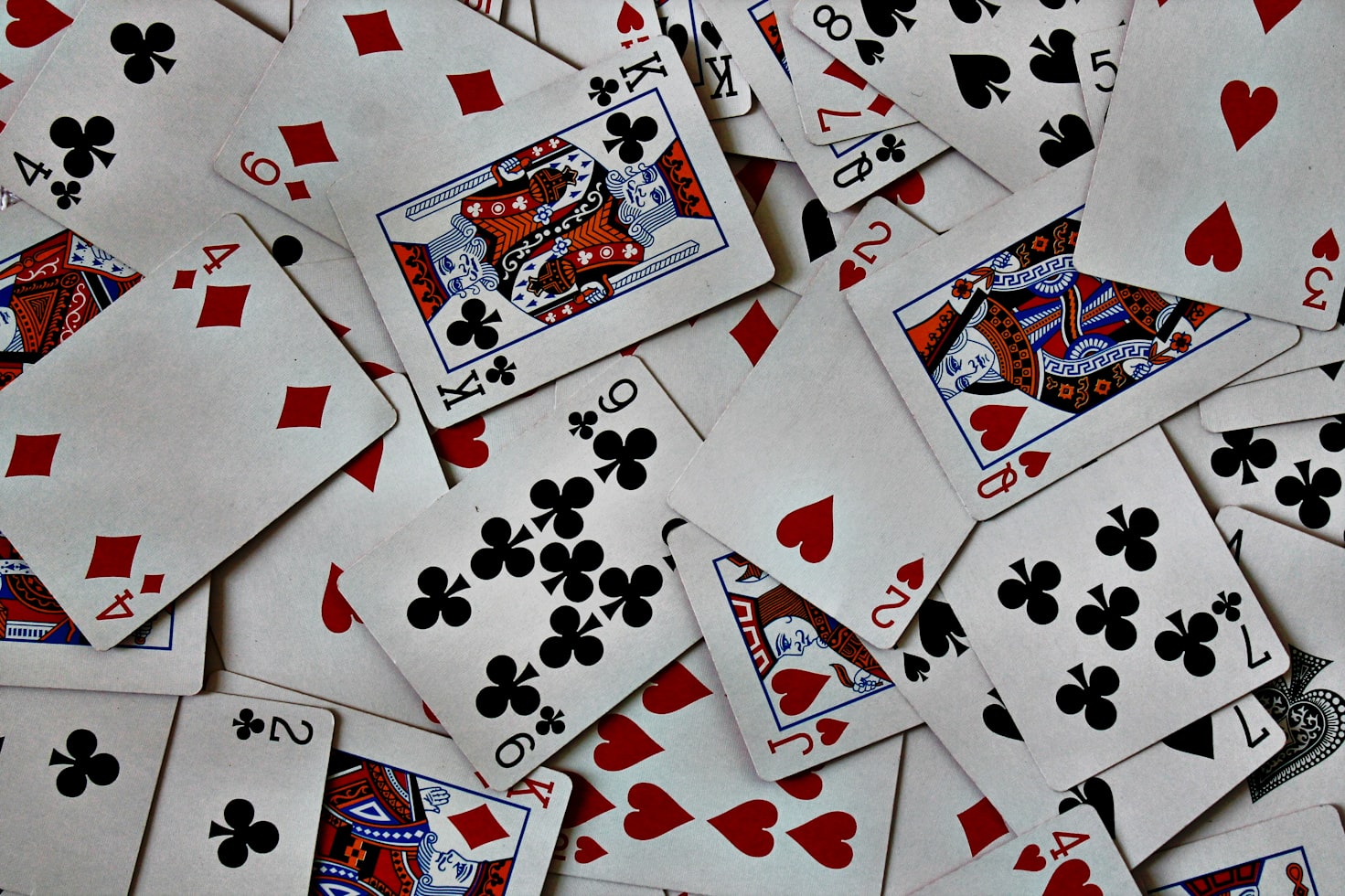
In ancient Rome, for instance, gambling was commonly practiced during festivals and public games, representing both entertainment and social engagement. This form of gambling was often accompanied by rituals, invoking deities for fortune and success. Similarly, in various indigenous cultures, rituals associated with gambling were believed to connect participants with the spiritual realm, highlighting the profound impact of chance on their lives. Such historical contexts help us understand the multifaceted role of gambling throughout human history.
Today, the legacy of these early practices continues to shape modern gambling, embedding cultural narratives into contemporary forms such as lotteries, casinos, and online betting. Each of these venues carries traces of tradition, embodying rituals that reinforce community ties and shared experiences. As such, understanding the historical context of gambling is vital in appreciating its cultural significance in various societies.
The Social Dynamics of Gambling
Gambling serves as a social activity that brings individuals together, fostering community bonds. Many cultures have communal games, which are integral to social gatherings and celebrations. For example, poker nights, bingo games, and sports betting are not merely individual pursuits; they often function as communal events that enhance relationships among players. This aspect of gambling can reinforce social networks, enabling friendships and even alliances through shared experiences.
Moreover, gambling can serve as a means of cultural expression. In many cultures, traditional games play a pivotal role in community identity. These games often carry historical significance, with rules and rituals passed down through generations. They encapsulate the values, beliefs, and shared narratives of the community. As individuals engage in these activities, they reinforce cultural heritage while simultaneously adapting to modern influences.
However, the social dynamics of gambling are not without their complexities. While it can unite individuals, it may also give rise to problems such as addiction and financial distress. The duality of gambling as both a bonding activity and a potential source of conflict underscores the need for responsible gambling practices and community support systems. Understanding this dynamic offers valuable insights into the cultural significance of gambling in contemporary society.
The Risks Associated with Gambling
The allure of gambling often comes hand in hand with inherent risks, which can have profound implications for individuals and their families. Financial instability is a prevalent risk associated with excessive gambling, leading to debt, bankruptcy, or financial ruin. Many individuals may enter into gambling with the hope of winning big, but the odds are often stacked against them. This disparity can result in a cycle of chasing losses, where individuals gamble more to recover lost funds, exacerbating their financial situation.
Additionally, the psychological risks associated with gambling cannot be overlooked. Many people experience stress, anxiety, and depression related to their gambling behavior. The potential for addiction looms large, with compulsive gambling affecting mental health and relationships. Support networks, including family, friends, and professional counseling, are crucial in addressing these risks and helping individuals regain control of their lives. Awareness and education about the signs of gambling addiction are essential in mitigating these risks.
Furthermore, the societal implications of gambling risks extend beyond the individual. Communities may face increased crime rates, homelessness, and the breakdown of family units as a result of gambling-related issues. This highlights the need for a collective approach to understanding gambling’s risks, advocating for responsible gambling legislation, and implementing preventive measures at both the community and policy levels.
The Role of Rituals in Gambling
Rituals play a significant role in the gambling experience, often serving as a means to enhance participants’ emotional engagement. Many gamblers create personal rituals to bring a sense of control and luck to their activities. These may include specific routines, such as wearing lucky clothing, using particular items, or performing certain actions before placing bets. Such rituals can provide comfort and a sense of belonging, as they are often shared within groups or communities.
Moreover, rituals associated with gambling can vary widely across cultures. In some societies, specific rites are performed to invoke luck or blessings before a game. For instance, in Asian cultures, there may be practices involving incense or offerings to deities before participating in games like Mahjong. These rituals are not just superstitions; they are steeped in cultural beliefs and traditions that enhance the significance of gambling beyond mere chance.
Furthermore, the communal aspect of rituals can reinforce social bonds among gamblers. Group rituals, such as collective cheers during games or shared practices in betting, cultivate camaraderie and enhance the overall experience. These cultural rituals turn gambling into a shared journey, linking individuals not only through the game itself but also through collective beliefs and practices that deepen their connection with one another.

The Cultural Significance of Gambling Today
In the modern era, gambling retains its cultural significance but has also transformed with technological advancements and changing social norms. The rise of online gambling platforms has made gambling more accessible, creating new cultural narratives around it. While these platforms offer convenience, they also present unique challenges, including the potential for addiction and the dilution of traditional communal experiences. Understanding how these changes affect cultural perceptions of gambling is crucial.
Moreover, the legalization of gambling in various regions has sparked discussions on ethics, responsibility, and regulation. As societies grapple with the implications of gambling, there is a growing recognition of the importance of balancing economic benefits with social responsibility. The cultural significance of gambling today is therefore shaped not only by its historical and social dimensions but also by contemporary dialogues surrounding legality and morality.
The role of gambling in popular culture, through films, literature, and media, further reflects its ongoing relevance. It serves as a mirror to societal values, fears, and aspirations. By examining these cultural representations, we gain insights into how gambling is perceived, celebrated, and critiqued within society, underscoring its complexity as a cultural phenomenon.